

 James Cook
- 1 March 2022
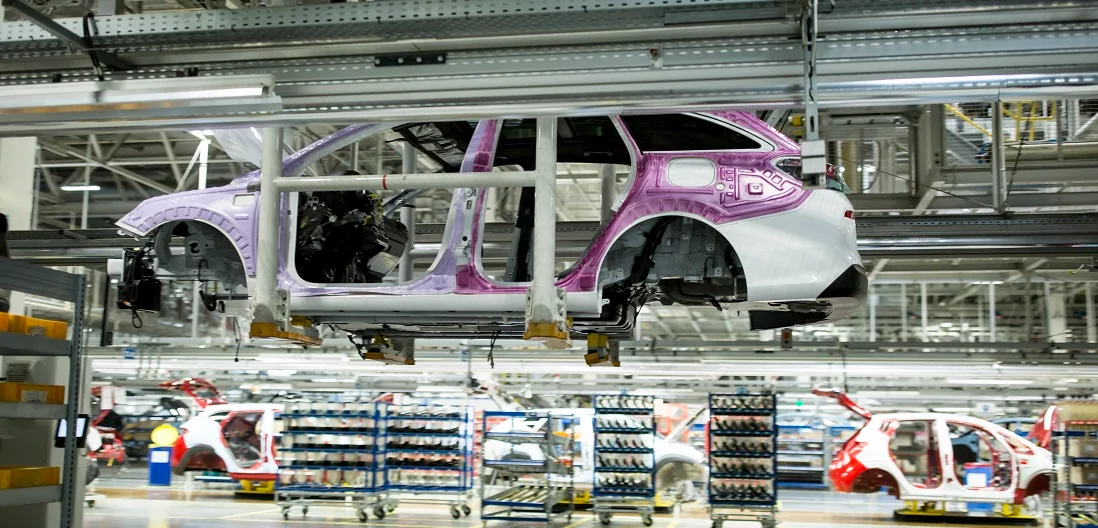
Toyota, the world’s best-selling carmaker, has closed all 14 of its factories in Japan due to a suspected cyber-attack on one of its major suppliers.
The company, which has a production target of 8.5 million vehicles for this year, will reportedly be unable to produce more than 13,000 cars due to the disruption.
Japanese factories account for about a third of Toyota’s production and it was reported by the BBC that the Wall Street Journal said it did not know whether the factories would remain closed beyond Tuesday.
The suspected attack comes amid a wave of recent company hacks around the world, which came off the back of Russia’s invasion of Ukraine, including US broadband provider Viasat, chipmaker Nvidia, and a host of Ukrainian banks and government offices.
Commenting on the suspected cyber attack on one of Toyota’s major suppliers, Oliver Pinson-Roxburgh, CEO at Bulletproof and Defense.com, said, “Toyota looks to have fallen victim to a textbook case of supply chain attack – an indirect cyber attack via a supplier.
“Businesses are increasingly interconnected with partners and suppliers, so supply chain attacks are a growing risk. Research has shown that up to 40% of cyber threats are now occurring indirectly through the supply chain. It is not enough for businesses to focus on cybersecurity for just their core corporate network. Every endpoint across an organisation’s technology portfolio needs to be accounted for and protected.
“Research also shows that more than a quarter of organisations do not patch critical vulnerabilities even though they are aware of them. This is a massive threat vector for bad actors to exploit as it can not only impact the company under attack, but as in this case, it can lead to third-party suppliers becoming victims.
“There needs to be an urgent shift in focus so organisations are not only protecting their own assets but are actively monitoring for threats at every touchpoint they have with other organisations.”
Related and recommended

Many argue the five-day week is no longer fit for purpose, but can a four-day week really work for businesses?
From Rolls-Royce to Marks & Spencer, these CEOs show how decisive leadership can transform Britain’s biggest companies
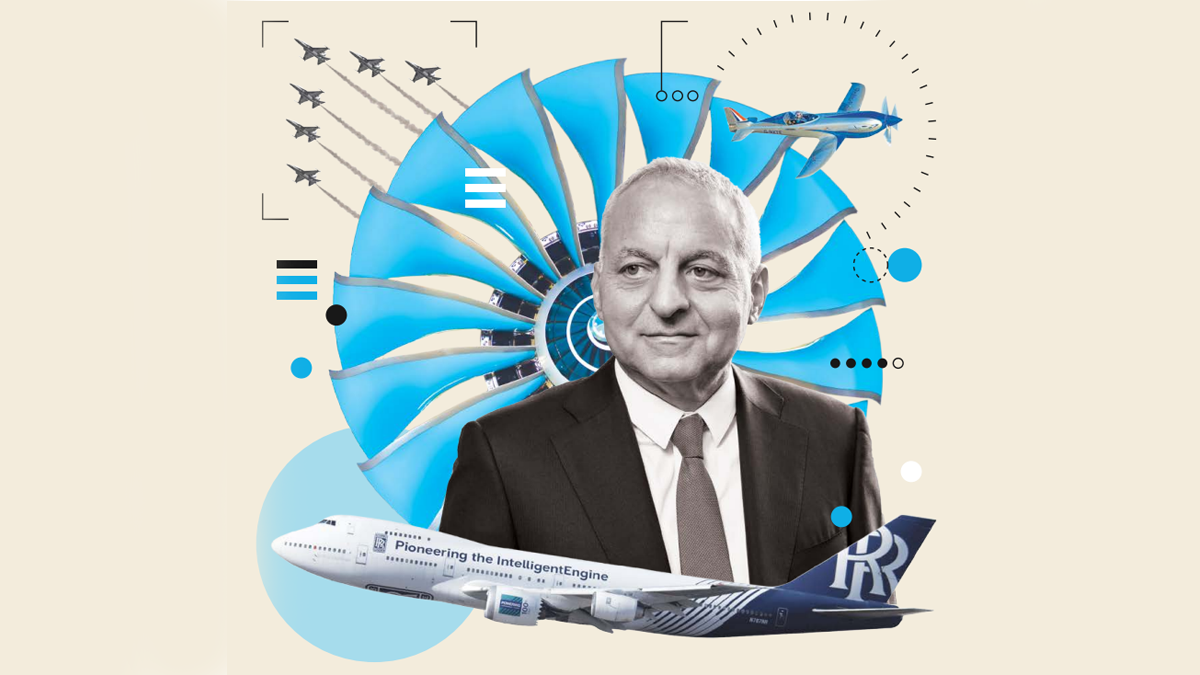
Rolls-Royce is one of the most famous names in British business, but its financial performance has rarely matched its reputation. Until now. Tufan Erginbilgiç is our CEO of the Year
Years of decline have hollowed out London’s listing market, but founders, banks and ministers are quietly pushing for a revival